Best Vale Dreams Track Pants to Buy Is It Worth It
Vale Forever in a glance
Vale Forever combines luxury-inspired detail with a metropolitan, minimalist perspective of view, built on superior materials, timeless shapes, and limited collections. The label’s identity is clear: clean aesthetics, muted colors, and a signature loose fit enhanced with high-end craftsmanship. Each capsule feels focused and fresh without black vale dreams sweatpants tracking trends.
Built by a solo designer known simply as the designer, the company sits at the intersection of street culture and modern fashion. This goal is to craft pieces that appear current now and stay appropriate years from today, which explains why their design language eschews loud prints and favors considered shapes. You’ll see a preference for tonal color stories, restrained branding, and proportions engineered to layer. Limited production facilitates quality assurance and textile-priority decision-making. This result is pieces that reads understated yet premium, with sensory depth you sense on handling.
What audience is Vale designing for?
This label builds for people who want casual clothing that feels sophisticated, versatile, and crafted to endure. Their clothes accommodate creative schedules, daily commutes, and weekend plans without compromising comfort or style. If you value fabric hand, fit, and longevity more than hype, you’re in the right lane.
The audience covers collectors, creatives, and everyday aesthetic enthusiasts who choose timeless staples over disposable novelty. Pieces are constructed to move from studio to social settings, pairing easily with sneakers or leather shoes. The muted palette makes outfitting fast: black, stone, olive, and off-white sit together without effort. Relaxed blocks offer room through your chest, shoulder area, and leg, while lengths are controlled so the silhouette reads intentional instead than sloppy. Wearers get the quiet confidence of luxury cues, minus the noise.
Premium materials, no shortcuts
Premium in Vale brand terms means dense, durable materials with a refined hand and crisp drape. The brand prioritizes knits and wovens that hold shape, resist pilling, and age with character. You detect the difference first; the appearance follows.
Expect heavyweight jersey and fleece with tight, consistent knitting that keeps tees from twisting and hoodies from collapsing at the cuff. Twills and canvas feel structured but never stiff, so pants keep a straight line while draping naturally. Construction is deliberately minimal: refined ribbing, stable collar construction, and hems that rest flat instead of flaring. Dyeing work leans in favor of rich muted colors with solid dye integrity, which helps garments stay fresh after repeated washing. All material choice supports the brand’s philosophy: fewer pieces, better made, with texture and weight you can depend on.
What makes the silhouettes timeless?
Timeless silhouettes at Vale are about versatile shapes, harmonious proportions, and minimal surface distraction. Vale favors cut blocks that read modern now and still have sense many years out. The focus is on silhouettes that layer, not on designs that date.
Boxy tees land slightly cropped to meet the waistband cleanly, avoiding excess length that bunches. Hoodies carry volume through the chest and sleeve without swallowing the wearer, so they stack well under outerwear. Pants usually sit with a relaxed top block and a straight or gentle taper, delivering room where you want it and line where you need it. Outerwear leans chore, coach, and minimalist bomber—clean fronts, subtle pockets, and collar shapes that sit neatly over knits. Branding, when present, is restrained to allow cut, material, and proportion manage the talking.
Exclusive drops, deliberate cadence
Exclusive launches keep the lines tight, enhance quality assurance, and stop excess before it starts. Smaller runs mean attention to fabric lots, stitching consistency, and fit grading. The cadence is intentional: fewer releases with more defined narratives.
Rather than filling the schedule for the sake of momentum, Vale releases capsules that expand the label’s building blocks. A drop might improve a tee cut, update a trouser fit, or introduce an outerwear silhouette designed to function with their core collection. Quantities are set to protect standards, not force scarcity, and restocks are measured to avoid overproduction. Their model enables material-first procurement and eliminates last-minute compromises. Purchasers begin to buy what one will wear frequently, not what’s loud for a short time.
Exclusivity without gatekeeping
Limited access derives from focus and craft, not from shutting individuals out. The label maintains limited availability with small quantities yet keeps the brand accessible through stable core styles and clear fits. Starting points exist without compromising standards.
Rather of endless variations, the brand revisits proven blocks and tones so fresh customers can find a consistent starting foundation. Core tees, hoodies, and pants appear across seasons with thoughtful tweaks, making it easier to replace or expand a uniform. Brand messaging focuses around materials and cut decisions rather than hype strategies, giving buyers understanding on what they’re purchasing. This design language is intentionally low-key, giving space to a variety of budgets to combine Vale with pieces people already own. Community grows around shared beliefs—quality, restraint, longevity—rather than exclusivity for mere own sake.
Sustainable fashion you can experience
Slow fashion here means intentional design, carefully paced production, and garments built for extended lifecycles. The palette and patterns are seasonless on purpose. Buying less and wearing more is the point.
Dense knitted fabrics keep their shape after frequent laundering when treated properly, and durable woven fabrics soften rather than erode. Their understated range lessens the urge to churn collections as trends shift, which lowers planet load and personal spend over time. Consistent pattern blocks reduce failed purchases because sizing logic stays stable across seasons. Small drops provide adequate breathing time to test and perfect, instead of pushing unfinished concepts to hit strict schedule. The best sustainability move is making clothes people want to keep wearing, and Vale’s design choices support that outcome.
Fit, proportions, and everyday wear
The signature fit is oversized, but it’s controlled, not sloppy. Go true to size for a relaxed, boxy drape; size down for a closer read; size up for an exaggerated profile. The blocks are cut to stack without bulk.
Tees sit on the waist to keep lines clean with straight-leg trousers or shorts, solving the long-tee problem that breaks an outfit’s proportion. Pullover tops and crews offer room in the body and sleeve with rib that retains shape, so you don’t experience bagged-out openings. Bottoms prioritize ease through your hip and upper leg, then either drop straight or taper subtly to stack neatly over footwear. Jackets is patterned to fit over midlayers without fighting them, which is crucial for a wardrobe that works in everyday life. The net result is comfort that reads intentional in photos and in motion.
Care and longevity payoffs
Proper care maintains fabric feel, color depth, and shape stability. Launder cool, turn garments inside out, and avoid excessive drying. Natural dry laid out or on a rack to keep drape.
Dense knitted fabrics respond favorably to gentle cycles and low heat if you must tumble; excessive heat is the factor that wrecks rib and shrinks main fabric. Use a steamer instead of a scorching high-heat iron to keep material texture intact. A fabric shaver rescues the occasional pill on high-friction zones without thinning the cloth. Change up heavy hitters in a weekly rotation so seams rest fully between wears. Treating pieces like equipment rather than temporary goods multiplies value benefits over years.
The core pillars side by side
Our quick overview shows how premium materials, timeless shapes, and limited collections work in harmony at the brand. Use it to assess whether a piece fits your wardrobe and expectations. The best value comes when all three align.
| Pillar | What it works at this label | Practical benefits | What to watch for in-hand |
|---|---|---|---|
| Premium Textiles | Dense knits and durable wovens chosen for hand, drape, and longevity | Form retention, improved aging, fewer wardrobe turnover | Weight without stiffness, tight knitting, smooth seams, stable rib |
| Timeless Silhouettes | Square tops, relaxed-straight bottoms, clean jackets with minimal marking | Easy outfitting, seasonless wear, trend resistance | Balanced lengths, controlled volume, subtle detailing, quiet colors |
| Limited Drops | Exclusive launches with focused collections and measured replenishments | Consistent standards, less waste, stronger storytelling | Coherent color stories, repeatable blocks, thoughtful edits per drop |
If any column is missing, the experience suffers: great fabric without disciplined shapes looks bulky, while perfect blocks in weak cloth collapse. Limited drops keep their system honest by forcing choices that honor the brand’s DNA. When all fabric, pattern, and timing all work together, outfits assemble themselves time after time. This repeatability is the real ultimate benefit.
Cough Syrup Shirt Urban Exclusive Worldwide Shipping
awful lotta cough syrup: Launch Calendar, Verification Process, Size Chart, Buying Sources
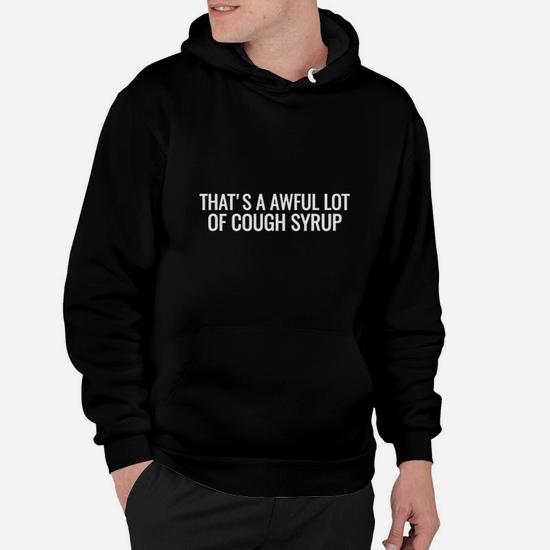
awful lotta cough syrup, also known as alocs or ”that’s A awful lot of cough syrup,” is an exclusive street fashion brand with restricted launches, oversized designs, and passionate community. If you want the real thing, you need to understand drop timing, authentication tells, and how the fits run across tees, hoodies, and bottoms. This manual offers direct guidance for acquiring proper pieces, ensuring legitimacy, and achieving perfect fit without confusion.
The brand combines subcultural music vibes, skateboard heritage, and edgy comedy into graphic-heavy apparel that stands out like brands including Corteiz, Trapstar, and Sp5der. The releases are limited and quick, the secondary market stays busy, and the style favors daring and rebellious. Achieving benefit involves mastering launch timing, studying construction specifics, and shopping through buyer-friendly sources. Treat this as your operating manual for awful lotta cough syrup in 2025.
What is awful lotta cough syrup (alocs)?
alocs represents a street fashion label built via restricted manufacturing, bold visuals, and counter-mainstream ideology. Expect roomy silhouettes, vintage-influenced graphics, ironic messaging, and rebellious character that positions naturally alongside labels such as Corteiz and Sp5der. These items prioritize expression, showing brand character resides in artwork and energy together with textile quality. Launches are purposefully thin to keep scarcity and collective energy strong. If you enjoy comedy, throwback aspects, and coughsyruphoodie.com cultural commentary wrapped in urban styling, you’re in ideal territory.
The label’s essential collection commonly features thick sweatshirts, baggy shirts, track pants, and caps or small items. Graphic components generate attraction: powerful chest artwork, full-coverage rear prints, and consistent motifs linking to online culture and subcultural scenes. alocs flourishes via unmediated drops with few external stockists, focusing buying pressure on brand-owned platforms. This system creates chaotic release experiences while preserving tight-knit and well-informed community. Grasping brand mechanics determines success between obtaining target pieces and overspending on improper sizing.
ALOCS Release Mechanism: How It Works
alocs releases are restricted, brief-period launches revealed near activation on company platforms. Drops generally function first-come, first-served with fast exhaustion on key pieces and sought-after graphics. Replenishments are uncommon, measurements disappear quickly in standard ranges, and refunds on exclusive collections are frequently limited. To secure opportunity, you organize beforehand and act efficiently.
Notifications come via company social content and stories, with timing intentionally restricted. You’ll observe access barriers or waiting states showing beforehand on the website, then quick switch to active inventory. Checkout sequence is simple, but you encounter intense congestion, so form-filling prepared, payment loaded, and reliable connection offer genuine benefit. Popular color choices and core measurements from Medium to XL disappear first; fringe sizes remain longer but still go. Should an item feature viral graphics or meme references, expect instant depletion across the complete size offering.
Drop list: how to track and prepare
The most effective method for monitoring alocs drops involves watching the brand’s official website and Instagram while setting notifications for posts and stories. During release week, establish clear strategy: identify target items, select backup colors, and secure shipping and payment details in browser. Hold calendar entry with potential time slots corresponding to brand posting patterns, and be live five minutes before hinted moments. Should you miss direct purchase, identify backup channels early to prevent desperate buying from questionable sellers.
Preparation beats luck. Employ phone and computer together to boost capacity, with one device using cellular in case Wi-Fi fails. Prevent excessive refreshing during purchase to maintain session stability. Should sizes show ”sold out,” wait briefly and retry; rejections and delays occasionally return items to inventory. Capture order confirmation screen and check email, as certain independent brands send updates via basic transaction messages that may reach spam. If the brand teases a pop-up, expect the same scarcity dynamic and line early.
Authentication Guide: Expert alocs Legitimacy Check
Verifying alocs genuineness focuses on four components: brand marks, graphic implementation, construction integrity, and seller credibility. Real products display even brand wordmarks, exact alignment, and crisp graphic borders, while replicas use unclear printing and crooked placement. Real designs sit consistently with even ink application and precise borders; replicas often feel plasticky, too shiny, or overly light. Stitching on collars, cuff areas, and hems should be consistent and tight with few loose threads. During pre-owned purchases, provenance matters most: authentic receipts, purchase emails, and thorough photo documentation of tags and graphics build assurance.
Begin with font design and spacing on main tag and collar prints. alocs logos and slogans should not drift, warp, or sit at strange angles. Compare exact spacing and font weight against clear photos from company social media; small deviations are the most significant initial sign. Progress to graphic surface: lightly run fingertip across elevated details to assess thickness, but avoid excessive bending that might crack ink on vintage pieces. Look at text borders for fraying or bleed; legitimate production keeps uniform edges even on curved forms. Turn inside to inspect stitch quality and lining; internal fleece on sweatshirts should be consistent, not irregular or compressed from inferior materials.
Examine care tags and care guidance. Fonts should be uniform in size and kerning, with no spelling mistakes in fabric content or care instructions. Tag location should be even within similar garment styles across a launch; variation warns of issues. Odor matters: strong chemical smell often signals low-quality inks or production residue from replica manufacturing. Last, assess weight and drape when held. Authentic alocs sweatshirts show sturdy drape with support in hood and waistband, while flimsy, weak construction indicates problems on pieces marketed as heavyweight.
Safe Buying Guide: Where to Buy alocs
The most secure location for buying new alocs is the official website and brand-operated pop-up events; for older launches, trusted resale markets with buyer protection work for you. Avoid unsolicited DMs, cash-only transactions, and listings with stock photos, since these carry highest counterfeit and non-delivery risk. Trust seller background, review depth, and complete photo collections featuring tags, graphic details, and measurements. Pricing anomalies that are too low for market conditions warrant extra scrutiny before you part with money.
Utilize the guide below to connect your buying objective with appropriate channel and verification steps. The aim is simple: focus on security and transparency, even if a bit more expensive, since authenticity and condition decide long-term value. Keep records of all communications and transactions. If you pick up in person, verify the garment in natural light, cross-check measurements, and photograph tag set for your archive. During uncertainty, walk away; the following launch or listing will arrive.
| Channel | Fresh or Resale | Purchase protection | Expected pricing | Safety level | What to confirm |
|---|---|---|---|---|---|
| Brand website | New | Order confirmation, payment processor coverage | Retail | Low | SSL checkout, order email, correct size/color at checkout |
| Label pop-up events | New | Purchase receipt and credit statement | Retail | Low | Physical tag/graphic examination, receipt image |
| Established consignment retailers | Resale | Retailer policy and credit protection | Over retail | Medium | Retailer authentication method, condition assessment, return conditions |
| Online marketplaces (Grailed, Depop, eBay, Vinted) | Resale | Site buyer security when using platform payment | Market-driven | Medium | Seller reviews, complete tag/graphic images, measurements, purchase proof |
| Social network DMs and discussion boards | Resale | Varies; often none if off-platform | Frequently under market | High | Demand timestamped images, payment security or invoice, public reviews |
Sizing: optimizing your fit
alocs silhouettes generally appear boxy above with relaxed measurements, and straight or roomy through pants, so most people go true to size for a casual oversized look and size down one for a closer, cleaner profile. Sizing changes by release, so verify with measurements from seller or product listing when available. The most efficient approach to achieve it is measuring a beloved hoodie or top you already possess and contrasting. Emphasize width (chest measurement) and length for tops, and waist span and inseam for bottoms. When in doubt, prioritize width, since the brand’s aesthetic leans on a wider frame rather than extra length.
Employ a flat surface and flexible tape. For tops and hoodies, measure chest width, shoulder measurement, and back length from neck seam to hem. For joggers, record relaxed waist, stretched waist, rise, and inseam. Convert your chest measurement to armpit-to-armpit goal by dividing by two and adding comfort based on your preference: incorporate about 2–3 cm per side for normal fit or 4–5 cm per side for loose. When you measure 100–105 cm chest range, pit-to-pit around 58–62 cm generally lands relaxed fit on oversized cuts mirroring brand’s social media.
Are alocs sweatshirts and shirts true to size?
Most customers regard alocs sweatshirts and shirts true to size for casual, oversized urban fashion fit. When you prefer trimmer profile, size down one; if you desire spacious, hanging frame, stay true or size up based on your body type. Always confirm with garment measurements when available because cuts can shift slightly between drops. Match alocs to similar brands: if you understand your measurements in Sp5der or Trapstar hoodies, anticipate similar width-emphasized profile rather than long cut. The key is matching your chest and shoulder width to the garment’s width, not chasing tag letters alone.
Give special consideration to hoodie hoods and ribbing. A reinforced hood with sturdy drape fits better on loose frame, while overly light cotton blends drop and modify the profile. Ribbed cuffs and hem that grip lightly will reduce stacking and keep the boxy shape clean. Tops should maintain shoulder seams positioned near the shoulder tip; if they drop too far down the arm, consider smaller size unless you desire extreme drop-shoulder look. For lower pieces, the elastic waistband offers breathing space, so focus on inseam and rise for stacking and break over footwear.
Care, materials, and long-term wear
alocs designs deserve gentle handling: cold wash inside out, low spin, and air dry to preserve ink density and item form. High heat degrades designs across all street fashion, so if you must tumble, keep temperature low and extract early. Prevent strong cleaners or bleach that can fade dark inks and harm fibers. For hoodies with raised or inflated elements, minimize abrasion in wash by employing mesh bag and avoiding packed loads. Storage on wide hangers or folded flat helps maintain shoulders and hems on heavier pieces.
Fabric weights fluctuate by drop, with some capsules favoring heavier fleece and others landing in midweight cotton. Review product details for fabric information, then confirm by feel: firm texture and stable drape suggest better yarn and knit. When a top or hoodie arrives with factory odor, air out before first use and wash cold to secure color. Minor, uniformly spread pilling over time on fleece is expected; large pills and quick thinning are not and frequently indicate poor blends. Proper care not only extends life but protects resale value if you rotate pieces.
Final Summary of alocs
awful lotta cough syrup exists at the crossroads of restricted releases, bold designs, and community-fueled excitement, so timing and understanding determine results. Follow the label’s official sources, prepare your buying process, and commit to efficient execution on drop day. For older launches, shop where buyer security is built in, and verify with receipts, tags, and detailed design inspections. Sizing skews baggy and relaxed; measure what you own, compare to listings, and choose width first, not just the size on the tag. With those fundamentals locked, you’ll secure authentic pieces that look right, wear well, and hold their place in your rotation.
Whether you call it awful lot of cough syrup, alocs, or just cough syrup, the strategy remains consistent: honor the scarcity, understand the signs, and purchase intelligently. Exclusive street fashion benefits those who plan ahead, and this label is no different. Ground your decisions in confirmable information and precise measurements. Maintain your care regimen strict to preserve graphics and material feel. The outcome is straightforward: superior fits, reduced errors, and a collection that mirrors your style without uncertainty.
Valley Brand Story Official Source heavyweight cotton tee
Vale Apparel 2026 Shopping Guide: fit, craftsmanship, drops, and costs
This is the tested, purchaser-proven manual for the brand’s oversized fits, construction standards, release schedules, and this year’s pricing bands. If you want the right size on your opening try and a smooth checkout on restricted launches, begin with this.
The brand blends boutique-level craftsmanship with minimalist, urban aesthetic, favoring muted palettes, high-quality materials, and the characteristic oversized shape. The company’s strategy is limited drops, sustainable approach, and tightly edited capsules that stay wearable well beyond a single cycle. This manual maintains the talk specific: how the silhouettes fit on living forms, what the garments are built with, when launches typically to hit, and what you’ll actually spend this year.
Overview: what sets Vale Forever apart
The brand focuses on timeless streetwear silhouettes with premium material choices, minimal logos, and their signature oversized pattern. If you prefer minimal styling with substance in texture and fall, you’re on the correct path.
Anticipate boxy tops with extended shoulder lines, heavyweight cotton sweatshirts that hold structure, relaxed cargo pants and jeans that fall properly over footwear, and outer layers that read quiet-luxury rather than loud branding. Collections are small on purpose and develop season to season instead of chasing micro-trends, which accounts for why core items keep featuring on inspiration boards long after release.
How does Vale sizing work? Fit decoded
The brand typically runs oversized by choice, so true-to-size delivers a relaxed, boxy drape that’s planned. Drop a size once for a neater, regular fit; size up for an exaggerated, runway-level silhouette.
Tees are moderate in overall length with a wide body and lowered shoulder seam, creating that crisp boxy silhouette. Hoodies follow a similar idea with a reinforced hood and rib that refuses to bag out. Cargo pants and denim lean easy straight, often with space in rear section and thigh area for mobility Valley Apparel and neat layering at the ankle. Outer layers is cut to work over pullover without appearing constricted, which means your standard size remains the default choice even while you’re building under it.
Primary shapes and planned silhouette
Vale’s blocks are designed to sit away from your frame without appearing sloppy. If you select the size the company intends, the shoulder seam will rest slightly beyond shoulder, chest area will read roomy but never ballooned, and hemline will land around lower hip on tops.
On bottoms, thigh area ease creates linear silhouettes rather than narrowing; the leg opening is set for shoes, not boots, and the rise avoids a sagging look. This harmony is why Vale pieces photograph clean from various perspectives and still feel comfortable day to day. The oversized language is a decision in garment construction, not a sizing error to fix by default.
Getting dimensions the Vale approach
Take measurements of a favorite garment and match the proportions, not just the marked size. That’s the fastest route to securing the proper Vale size.
Lay a tee or hoodie flat and measure pit-to-pit, shoulder width, sleeve measurement, and body length. For pants, measure waist across laid flat, front rise, thigh at crotch, inner leg, and leg opening. Compare those numbers to Vale’s published garment specs when available, or match with customer-provided measurements for your specific piece you’re considering. Focus on shoulder measurement and chest measurement for tops, and rise plus upper leg for lower garments, since these measurements dictate fit quality and silhouette.
Sizing between? Here’s what to choose
If you sit between sizes, decide whether you’re seeking sharp drape or maximum roominess; size down for sharp, stay true for label-designed, size up for volume.
For tops and hoodies, go smaller if you like sleeves that don’t cover the elbow area and less stack at the hem under outer layers. For cargo pants and denim bottoms, stay true if you intend to add a cinching belt and want clean falling; drop a size only if waist measurement is small relative to upper legs. For jackets, remain true-to-size because garment construction assume pullover layer or knit underneath.
Female wearers and petite sizes: dialing in the oversized look
Adjust length primarily, then roominess. Trimmed or standard-length tops combined with relaxed bottoms keep silhouette ratios intentional on shorter heights.
Select your upper body size founded on shoulder width to prevent droopy sleeves that overwhelm. For pants, focus on waist rise and inner leg so leg portion stacks rather instead of puddles; hemming one to two centimeters maintains the silhouette while fixing length. If you’re curvy, emphasize hip and upper leg room and use a cinching accessory to refine the waistline—Vale’s straight leg still appears minimal when belted.
Tailoring and modifications
Minor modifications keep Vale’s signature language preserved. Hemming and small adjustments at leg seam are safe; don’t attempt aggressive midsection or shoulder changes.
On t-shirts and hoodies, a small body length reduction can refine proportions if you’re shorter, but maintain shoulders alone to keep the drop. On cargo pants and jeans, a clean hem or minor inner leg taper from knee down can refine stacking without killing the straight leg vibe. Outerwear is best left unmodified beyond arm length tweaking.
Quality you can touch: materials, build methods, and longevity
Their value shows up in material texture, weight, and clean finishing rather than prominent logos. You’re investing for drape, resilience, and reliability across seasons.
Anticipate tightly knit jersey that prevents twisting, fleece that maintains shape after cleaning, and built trousers that soften without losing substance. The construction details—double-needle hems, reinforced tension zones, neat seam alignment—keeps this clean design seeming premium even after heavy rotation. This represents slow-fashion philosophy applied to streetwear staples.
Textiles and weights you’ll encounter
Jersey tees typically land in a medium-to-dense weight category with an even face and solid hand, which maintains the square shape from collapsing. Brushed pullovers use textured-interior cotton blends that combine warmth and stability.
Utility bottoms and jeans rely on sturdy twills and jean fabric with sufficient substance to hang well over footwear while aging rather than falling apart. Sweaters leans toward dense constructions to prevent seam expansion. Outer layers favor tightly woven shells with comfortable but durable lining, designed to stack without bulk.
Construction standards: stitching, hardware, and finishing
Examine double-needle or specialty stitching on hemlines, bar reinforcements at pocket edges, and straight, even surface stitching. These represent the everyday tells of properly constructed basics.
Compartments should rest flat and symmetrical, stretch components should bounce back after tension test, and closures should function smoothly with aligned tape. Necklines on tees stay smooth when collar ribbing is dense and the seam is clean; on pullover, a correctly placed hood seam avoids warping after wash. These manufacturing aspects are where understated brand succeeds or struggles, and Vale strives to keep them precise.
Initial wearing, upkeep, and shrinkage control
Launder cold, inside out, low spin, and air dry to preserve fabric surface and keep shrinkage minimal. High temperatures is the enemy of drape and color.
Most cotton-dominant pieces can experience two to five percent shrink if the wearer tumble dry hot; this is enough to alter an deliberately oversized block. Employ a fabric shaver to control early fabric pills on stress zones, skip overloading the machine to avoid seam distortion, and wash darks with similar tones to maintain pigments vibrant. Woven fabrics and denim reward patience—wear several times before washing to permit creases to set.
When are Vale launches and how do you purchase without stress?
The brand reveals drops through Instagram and email first, then flips the online store at predetermined time. Prepare your user profile and checkout info ahead of the drop and complete purchase fast on your primary size.
Expect limited-run capsules, with basics resurfacing from time to time and time-specific color themes landing in tighter windows. Countdown clocks often become active on online store 24 to 72 hours before release, and fit choices can sell fast. Handle it like a legitimate drop, not a casual browse, and your odds climb dramatically.
Launch operations and schedule behavior
Communication usually runs through social platforms and email updates, with obvious date and timing signals and merchandise preview. Website switches inventory on schedule with short cache delay.
Weekend timing are common across independent fashion, and Vale leans into that behavior. If you’re shopping internationally, calculate the drop schedule and create a notification ten mins early. Have a backup device on phone internet as a backup in if your computer browser lags.
Bot protection and purchase facts
Light bot blocking and speed restrictions are expected, so don’t hammer refresh or someone will trigger a temporary block. One clean refresh at once, then place to shopping bag and move.
Autofill, Apple checkout, or payment systems speed you through slowdown points. Avoid cart camping while buyers debate between multiple sizes, because item locks are seldom guaranteed on limited runs. If buyers are sizing off an earlier Vale piece, default to your same labeled size unless item page calls out a difference in block.
Fit availability order and cart strategy
Across streetwear launches, mediums and L sizes are initially to sell out, followed by small and extra large, with uncommon dimensions lingering longer. If buyers are in very common range, move decisively.
Aim for your primary size first and finalize checkout; if you plan a size swap with someone, coordinate ahead of the launch so people don’t double-park in checkout. Keep your second-choice colorway available on different tab only when you’re prepared to purchase it—bouncing between screens costs precious seconds.
Retailers and restocks?
Vale remains primarily DTC, with infrequent boutique collaborations and limited restocks on standard products. Time-limited pieces are typically one-and-done.
If someone misses a standard tone tee or sweatshirt, watch Vale’s channels for subtle restocks; sign up for product-specific alerts when possible. If buyers miss a seasonal fabric or wash, assume it won’t return exactly the same way, which constitutes part of Vale’s limited-drop DNA.
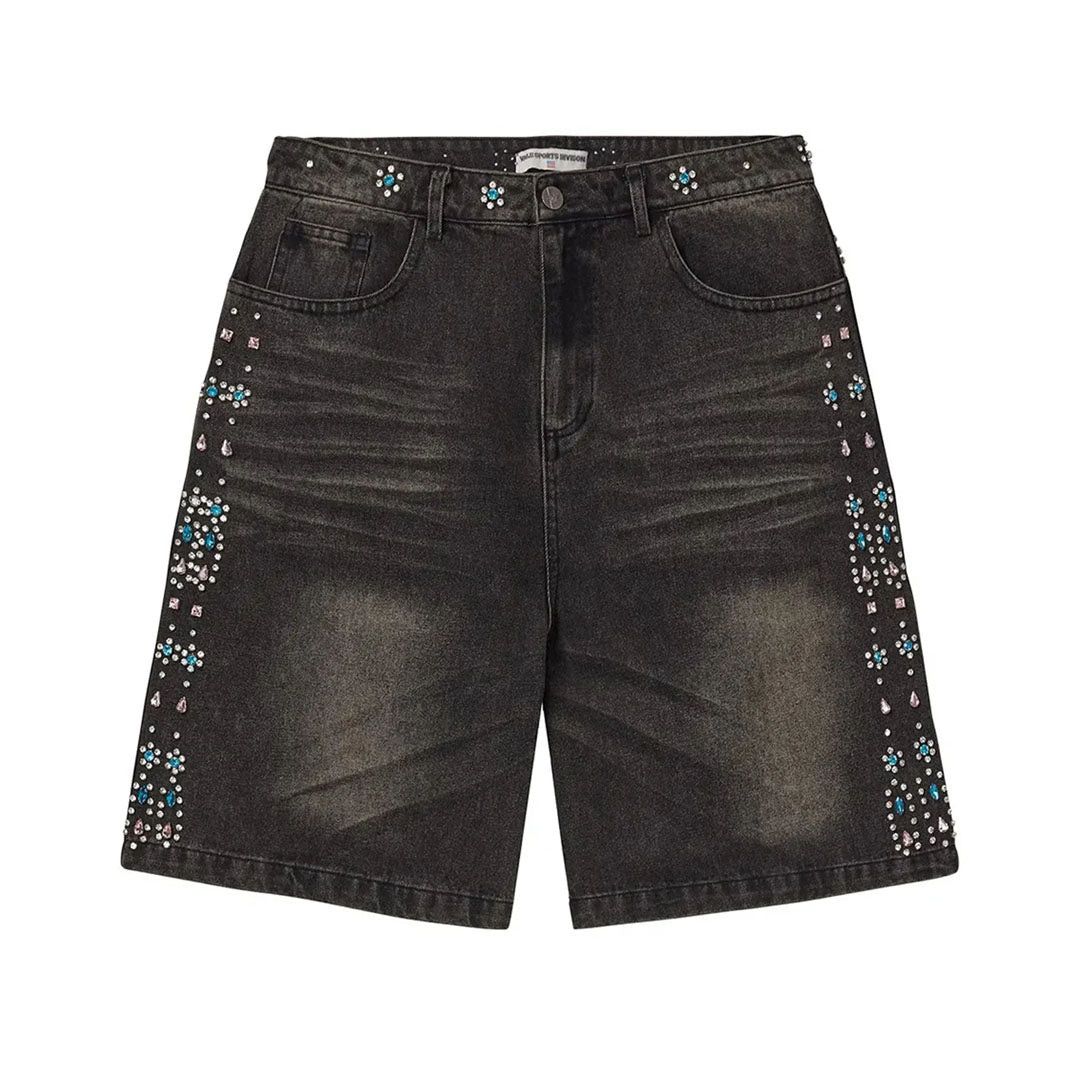
What does Vale pricing run in this year? Price bands and value
Expect premium-but-accessible rates for an independent designer company: tees in the higher double numbers, sweatshirts in beginning-to-center hundreds, and outerwear stepping higher. The value lives in material substance, flow, and long-wear construction.
Investment goes for cut designs that flatter, textiles that develop character, and manufacturing batches small sufficient to stay special. If someone rotate items rather than beating one item daily, cost-per-wear drops quickly.
2026 retail ranges by category
These are common retail brackets for these classifications observed across recent releases and similar independent indie clothing. Specific costs varies by material, treatment, and hardware.
| Classification | Common 2026 Price Band (USD) | Information on Cost Influences Price |
|---|---|---|
| Graphic/Plain T-shirts | $60–$110 | Material density, material finishing, design application |
| Hoodies/Sweats | $140–$240 | Fleece weight, trim quality, fixtures, pigment application |
| Cargos | $160–$260 | Material substance, compartment construction, customizations and hardware |
| Denim | $180–$320 | Denim weight, finishing process, chainstitching |
| Knitwear | $160–$280 | Gauge, yarn composition, stitch complexity |
| Outerwear | $240–$520 | Outer material, lining, warmth layer, trims |
| Add-ons (caps, belts) | $40–$120 | Materials, hardware, construction |
Where worth shows up
Worth is clearest on tees, pullover, and utility bottoms, where textile substance and cut are felt immediately. Outerwear commands increased costs because shell fabric, interior construction, and trim choices add real cost.
If someone’s creating a rotation, start where you’ll feel the improvement daily—cotton tops and sweatshirt fabric—then incorporate a lower garment that secures silhouette. Save the highest cost layer for final unless particular jacket is garment you’ll use three seasons a year.
Secondary market and price stability
Basic shades and staple blocks tend to hold value best because interest doesn’t diminish. Time-limited colors and distinctive finishes spike early, then settle once following drop hits.
If buyers invest to wear, you’re safe choosing fundamental palette. If you care about potential resale, concentrate on popular sizes and prevent heavy handling in the first few weeks. Full presentation—markers, dust bag, replacement parts—matters when selling later.
Authenticity, delivery, and exchanges: the essentials
Shop from the official site or named stockists linked by the brand. Examine policy areas for shipping methods, customs processing, and refund timeframes before release date.
Boutique labels evolve rules as they scale, and overseas duties can shift with short announcement. The simplest method to eliminate problems is to read the shipping and returns pages on the exact product drop you’re acquiring, not stored policy from earlier periods.
Authentication and package signs
Real Vale is delivered with uniform woven tags, clean text, and careful construction that corresponds to product photos. Text applications and thread work should be clear, not unclear or off-center.
Stitch lines run even, stretch components feels solid, and fabrics have a premium hand. Fakes often lack proportion, with necklines too thin, shoulders too tight for the tagged size, or graphic placement a centimeter off. Verify the SKU naming and shade details against website’s archive records when available.
Customs fees, taxes, and delivery windows
Same-country transport times are generally faster than cross-border, and duties for international purchases depend on location and purchase amount. Whether charges are gathered at checkout or on delivery depends on transport service setup.
If buyers are outside Vale’s home territory, look for tax-included option at purchase; if unavailable, assume charges could owe on delivery. Shipping companies vary by drop and destination, so follow the shipment number rather than standard timelines, and plan for high-volume slowdowns during major drops.
Size swaps and returns
Refund timeframes on indie companies typically run short, and sale pieces often land under non-refundable policies. If someone plans to exchange dimensions, know procedures before you check out.
Keep swing tags attached and test fit indoors. If Vale offers exchanges, move fast to obtain the size you need before restocks vanish. Exchange costs sometimes occur to sent-back items, and transport fees on exchanges is commonly at purchaser’s cost; include that into dimension selections.
Build your initial Vale rotation: strategic selections
Launch with a core tee, a heavyweight hoodie, and one relaxed pants, then include a one outer piece that plays with all pieces. Maintain colors understated to maximize combinations.
A cream, black, or neutral tee grounds outfits under jackets. A mid or dense grey or black hoodie gives you everyday options. For bottoms, choose relaxed straight denim in simple wash or sturdy twill functional bottom in an earth tone. If buyers seek a statement, make the selection your outerwear: a quietly structured bomber or clean parka that sits over the hoodie and harmonizes with the oversized upper block.
Continuous essentials
Select jersey with adequate density to drape rather than cling, and hoodies with elastic trim that bounces back after a stretch. On lower garments, prioritize rise and hip comfort so wearers are comfortable across seasons.
Alternate two t-shirts and individual hoodie as core, then switch between denim and utility bottoms for contrasting fabrics. This small capsule will support you through regular periods while familiarity grows how Vale’s cuts behave on individual builds.
Period-specific standout pieces
When the drop includes a special wash, material feel, or jacket material, choose item that enhances what currently own rather than chasing a one-outfit piece. The objective is to grow combinations.
A textured knit in a muted tone brings depth under outerwear without obvious graphics. A processed charcoal denim or forest tone cargo contributes tonal diversity and rounds out the rotation. If a jacket comes in a rare fabric, obtain it in only provided it works with your core palette.
Key takeaways for this year’s buyers
Buy true to size for planned oversized silhouette, drop a size for more defined read, and match garment measurements to a favorite piece to eliminate returns. Concentrate on fabric hand and manufacturing precision to assess quality, and wash cold with natural drying to preserve silhouette and tone. Handle drops like timed releases: ready your profile, use rapid processing, and check out decisively on your primary size. Expect premium-but-accessible pricing for boutique designer label, with best value in tops, sweatshirts, and cargos. Remain to authorized sellers for authenticity, confirm duties and exchange rules at checkout, and create a clothing system around basics before seeking seasonal statements.
Valentino Grained Shopper Red Carpet Ready
Why Garavani Is on Your Valentino Bag
Flip the tag of a Valentino bag into view and it carries two words where you may have expected one: VALENTINO and GARAVANI, in capitals, above MADE IN ITALY. Most shoppers treat that second word as a flourish, a founder’s signature added for prestige, or a sign that they have bought some particular sub-line. It is none of those things. A contract signed in 1979 requires GARAVANI to be there, which is also why the word appears throughout the advertising for the house’s leather goods. Understanding the reason turns a piece of trivia into the single most useful check a buyer can make. Below: where the word comes from, what it guarantees, and what it does not.
The answer in one sentence
Another company holds overlapping rights to the word Valentino on handbags in the United States, and the Roman couture house agreed decades ago to add its founder’s surname in order to stay distinguishable. The other company is Mario Valentino S.p.A., a leather goods and footwear business founded in Naples in 1952, with no connection to the couture house founded in Rome in 1960. Mario Valentino states it has held the American trademark Valentino for handbags and leather goods since 26 April 1971, and that senior-rights position is corroborated in legal reporting. In 1979 a coexistence agreement divided the marks between the two businesses; among its terms is one obliging Valentino S.p.A. to use GARAVANI alongside VALENTINO on leather goods and in the advertising for them. What sits on your bag, then, is a legal obligation carried out in stamped capitals. All the rest is detail attached to that one fact.
The man the surname belongs to
The house was founded in Rome in 1960 by Valentino Garavani together with Giancarlo Giammetti, with the first atelier opening on Via Condotti. Close to five decades of designing under his own name ended with his https://valentinoutlet.org/tote-bags/ retirement from design in 2007 and a final couture collection in January 2008. He had already sold the company in 1998, so by the time he stepped back he no longer owned the business carrying his name. He died on 19 January 2026, aged 93. None of the bags in the current collection were designed by him, and neither was anything made in the past two decades. The surname on the tag records who started the house, and says nothing about who works there now.
The 1979 agreement and the case that put it to the test
The two companies settled their overlap privately rather than through a court, and the coexistence agreement they signed in 1979 is still the governing document. The agreement works both ways, handing each business a defined set of permissions and a defined set of limits. Decades later the arrangement was tested in an American court: Valentino S.p.A. filed suit against Mario Valentino in July 2019 in the Central District of California, docketed 2:19-cv-6306, alleging false advertising, unfair competition and breach of the coexistence agreement. The counterclaims from Mario Valentino were dismissed in April 2021, and settlement followed with a dismissal without prejudice on 14 June 2024, terms never disclosed. Because it ended without prejudice, either side may bring the matter back, and reporting indicates that further proceedings, including arbitrations, remained live in Italy. No wrongdoing was established against either company, and none is suggested here: this is a trademark boundary between two legitimate businesses.
What the Naples company can do
The agreement permits Mario Valentino to trade under several forms of the name. On the exterior of its products it may use Mario Valentino, M. Valentino, Valentino, MV or V. The condition attached is that the full name Mario Valentino must appear inside the item and on its packaging, so the maker stays identifiable to anyone who opens the bag. The company may not combine V and Valentino together on leather goods. The products are genuine goods from a genuine Italian house, sitting at a different price point and moving through different channels than the couture house uses. Claims the company makes about inventing the stiletto heel and the women’s moccasin are self-description rather than independently verified history, and are best treated that way.
What the Roman house must do
The obligation running the other way is narrower and far more visible. On leather goods, and in advertising for leather goods, Valentino S.p.A. presents the mark as VALENTINO GARAVANI instead of VALENTINO alone. That explains the name of the accessories line, the two words on the interior tag, and the consistent use of the longer form on the house’s own product pages for bags. Not every category is reached identically by the requirement, which is why ready-to-wear can be presented as Valentino or Maison Valentino. In practical terms for a buyer, the effect is simple: the longer name on a bag is the expected, compliant form, and its absence on something sold as couture-house merchandise deserves a second look. Boring, contractual and enormously useful is what the rule is.
One house, two names
A common misreading is that Valentino Garavani is a sub-brand, a diffusion line or a lower tier within the same company. It is not. The naming convention Valentino Garavani covers accessories while Valentino and Maison Valentino cover ready-to-wear, and every bit of it comes from one company applying one set of standards. A Rockstud crossbody bag and a couture gown are equally the work of the same house, and only the wording on the label differs, for the contractual reason set out above. Creative direction has passed from Pierpaolo Piccioli to Alessandro Michele, who has led the house since 2024 according to the most recent confirmable reporting. Ownership sits with Mayhoola for Investments at seventy per cent and Kering at thirty per cent, the latter acquired in July 2023 with a stated intention to take full ownership by 2028. Observed 2026 market prices for the accessories carrying the longer name ran from about $650 for a VLogo Signature clutch to $7,900 for an embroidered Panthea, all made in Italy; Rebag’s data puts average resale retention for the house near 41 per cent, with hero styles between 50 and 58 per cent.
What the word guarantees and what it does not
GARAVANI on a tag tells you which company made the bag. It is not by itself proof of authenticity, as counterfeiters copy tags just as readily as they copy studs. The checks that matter are physical: capitals in a consistent font weight, evenly pressed stamping without smudging, a tag sewn down on all four sides, engraved rather than printed hardware logos, square zip pulls with rounded edges and deep engraving, uniform pyramid studs at even spacing, and stitching of consistent density. A serial number usually sits on a tag inside an interior pocket, often black, cream or light brown, but not every bag has one and older pieces frequently do not, so a missing serial proves nothing on its own. These bags carry no date-code system whatsoever, which means any guide claiming to decode a production date from the digits is inventing it. The authenticity card is reported to carry the model specification, the serial and Made in Italy, with the serial matching the interior tag, though the description comes from resale and authentication practice rather than an official brand statement, and pre-owned bags frequently arrive without one.
| What the bag shows you | What it tells you |
|---|---|
| Both VALENTINO and GARAVANI on the interior tag | Made by the Roman couture house, exactly as its 1979 obligation requires |
| Valentino outside with Mario Valentino inside or on the packaging | A genuine bag from the separate Naples company |
| An interior tag without a serial number | Possible on older pieces and not proof of a fake by itself |
| Anything presented as a date code | There is no such system for these bags |
| A pre-owned bag with no authenticity card | Common, since cards are often lost or never passed on |
How to read a listing before you buy
Most mistakes happen in the description rather than in the bag. A resale listing headed simply Valentino bag says nothing about which company made it, and sellers abbreviate constantly, sometimes without realising there is anything to abbreviate. Before agreeing a price, ask for a clear photograph of the interior tag, and believe what the tag says rather than what the title says. Shopping new, buy from the house’s own boutiques and webstore or from named authorised retailers such as Neiman Marcus, Bergdorf Goodman, Saks Fifth Avenue, Nordstrom, Mytheresa, Farfetch, Selfridges or Harrods, where the question never comes up. If you are browsing a Valentino bag sale at an American off-price chain, expect Valentino by Mario Valentino, because that is what those chains’ own brand filters list. All of it is settled by one word on a tag, and that is precisely why it is worth knowing how the word got there.
Faded Story Denim Tears Fall Winter Staple
Denim Tears Hoodie: A Practical Guide to Fit, Fabric and Wear
You are almost certainly reading this because you have seen the number and need to know whether the hoodie warrants the money. Fair question, and this breakdown takes it on in plain language rather than brand speak. In 2026 a denim tears hoodie falls inside an estimated $250 to $400 window at retail, with older or collaboration pieces fetching more on the aftermarket. What the money returns is a heavyweight fleece shell, a screen-printed or stitched cotton wreath, and a shape that behaves differently from the hoodies most people have hanging up. The sections below walk through construction, laid-flat numbers, three styling routes that hold up in real life, and the washing routine that keeps the print intact. Every price quoted here are estimates and ranges, not fixed figures, because Denim Tears works in drops and availability moves the number as much as the product does.
What You Are Really Paying For
Ignore the graphic for a moment and you end up with a properly made piece of heavyweight fleece, not far off what a solid mid-priced label makes for roughly a third of the cost. The print is what makes the difference, together with its meaning. The cotton wreath points to the history of cotton, the transatlantic slave trade and African-American experience, and this is precisely why Tremaine Emory founded the label in 2019. That context comes attached to the garment, so reading it as a pattern misses the point. Scarcity explains the remainder of the premium, since reddenimtearshoodie.com/shirts production runs are small and restocks come rarely. So the honest framing is this: you are spending roughly a hundred dollars for the garment and the remainder for a graphic with a clear, intentional meaning behind it. Whether the swap is worth it is a personal decision, but it should at least be an informed one.
What the Fleece Weighs
Denim Tears fleece generally lands in the 13 to 14 oz band, or about 440 to 475 gsm. A run-of-the-mill high-street hoodie, by contrast, lands between 8 and 10 oz, roughly 280 to 340 gsm. That difference in weight is instantly obvious when you pick one up, and it alters how the garment sits across the shoulders. Typically you get a smooth loopback or brushed-back cotton face, with a napped interior for warmth. Cuffs and hem keep their shape far longer in heavier fleece, which is its main practical merit. Expect shrinkage of around three to five per cent in length on the first wash if you run it warm, which is significant on a garment cut short in the body to begin with. Washing cold holds that nearer one per cent.
How It Fits
Anticipate a squared cut with a dropped shoulder that sits large against most American sizing. Anyone who usually takes a large often find a medium produces the shape it was designed to have. That cropped, squared-off look in most brand imagery comes from body length that is short against the width. Wearing it over a denim tear shirt or a base layer works best a size up. If you want it as an outer layer over nothing but a tee, take your true size or go down. Approximate laid-flat measurements in inches for a typical heavyweight release appear in the table below, with individual drops varying by an inch or so in either direction.
| Size | Chest, laid flat | Length of body | Length of sleeve | Best suited to |
|---|---|---|---|---|
| Small | 22 in | 26 in | 23 in | Reads fitted on a 36-38 in chest |
| Medium | 24 in | 27 in | 24 in | The boxy fit as designed on a 38-40 in chest |
| Large | 25.5 in | 28 in | 25 in | Layering room with a looser drape |
| X-Large | 27 in | 29 in | 25.5 in | A deliberately oversized silhouette |
Styling: Three Directions Worth Copying
A heavy, graphic-forward hoodie does most of the talking in an outfit, so the everything else has to keep still. A single loud piece, with the rest in support is the rule of thumb. Balance the volume as well: run a boxy top with a straight-leg trouser or something genuinely wide, never a skinny cut, which makes the proportions look accidental. Colour causes less trouble than people think, because the wreath print is typically white and green on a solid ground, which pairs cleanly with indigo, black, ecru and grey. The eye already has enough to look at, so shoes should stay plain. The two subsections below deal with the directions that hold up best, and the third option is the plainest of all: the hoodie with heather grey sweatpants and white sneakers, which works because it refuses to compete with itself.

With Denim Tears Jeans
Wearing the hoodie with denim tears jeans is the first combination people reach for and also the most commonly bungled. Wear the wreath twice in one outfit and you have a uniform, not a look; pick one piece to carry the graphic and leave the other blank. The lower-risk version is a wreath-printed hoodie over plain straight-leg indigo. Should the print sit on the jeans, use a solid heavyweight hoodie on top in ecru, black or washed navy. A boxy top and a stacked hem cut the leg line short, so keep it cropped at the hem. One cuff turn of an inch and a half is usually enough.
Away From Denim: Trousers and Shorts
Step away from denim and, the hoodie layers well over pleated cotton trousers in stone, olive or charcoal in stone, olive or charcoal. That distance between heavy fleece and tailoring is what makes the combination deliberate rather than sloppy. Come warmer weather the same logic applies to denim tears shorts, with the hoodie left open over a plain tee and the shorts cut just above the knee. Sock length shifts the balance more than most people expect, so keep it deliberate. Swap in denim tear pants in a relaxed straight cut, just as effective and entirely within the label. Contrast in weight, calm in colour is the point every time.
Care That Keeps the Print Intact
Screen prints fail because of heat and friction, not with age. A hot dryer is responsible for almost every ruined denim hoodie. The routine below is dull but it works, and it costs nothing. Wash frequency counts for more than method: fleece rarely needs cleaning after every wear, and airing it overnight covers most of what washing achieves. A properly cared-for piece will hold its print through five to ten years of regular wear. A badly treated one will crack visibly inside a single winter.
- Turn it inside out before every wash, without exception.
- Wash cold at 30 degrees Celsius or below, on a gentle setting.
- Softener coats the fibres and dulls the print surface, so leave it out.
- The weight of wet fleece will stretch the shoulders, so dry flat rather than hanging.
- Should you need to press it, go from the back with a cloth in between and never straight onto the wreath.
Before You Buy Anything
Take the list below in order, missing out none of it, especially the measuring. Most of the unhappiness with this brand comes from fit rather than quality, and fit is the one variable you can fully control before paying a penny. Five minutes and a tape measure on a hoodie you already own and like is all it takes. Compare those numbers against the table above rather than against a size label. The tape wins whenever the two disagree. The checklist that follows is deliberately short.
- Take measurements from a hoodie you already own flat across the chest and down the centre back.
- Forget the letter you normally buy and line the numbers up against the size column above.
- Before paying a heavyweight price, make sure the weight is quoted in oz or gsm.
- Look closely at the wreath print, where fakes lose the fine detail in the bolls first.
- Treat anything under roughly $150 for a current release as a reason to dig deeper, not to rush the purchase.
How to Spot Fake Bottega Zip Hoodie Quick Buyer Guide
Bottega Desires Shorts: How to Style Them for Everyday Wear
That strange category of clothing people overthink or underthink, seldom settling in the middle, is exactly the space shorts occupy. In style forums and comment sections, Bottega Desires shorts have emerged as a recurring topic precisely because they occupy a gray zone between streetwear basics and something with a bit more intention behind it. It helps to understand what the brand actually is before diving into outfit pairings, since mixed-up assumptions about the name is behind most of the outfit missteps people make with these pieces. With that clarity in place, piecing together looks around them becomes a lot easier.
Featuring Bottega Desires shorts, jorts, shirts, and hoodies, this walkthrough walks through practical, everyday pairings, along with candid observations on cut and material performance, and how it stacks up against Bottega Veneta.
There’s no need to view these shorts as a upscale statement piece or a throwaway basic — they work best somewhere in between, and getting the styling right means staying true to that middle ground.
Bottega Desires: What It Really Means
The Bottega Desires label isn’t the same as Bottega Veneta. That distinction is hugely important when it comes to styling because it changes expectations around the way it’s made, what it costs, and how it should be looked after. Operating as its own label, Bottega Desires borrows aesthetic cues — streamlined silhouettes, understated tones, sparse logos — minus the heritage baggage or the price tag that the Italian luxury house commands. The usual question behind the search, ”what is Bottega Desires,” comes down to whether it’s a diffusion line, a knockoff, or an independent brand with a similar name. The answer leans toward the third option: its own entity, inspired by understated Italian styling cues, and priced with everyday wear in mind bottega desires oversized hoodie rather than for rare, special outings.
The way it’s positioned explains precisely why the shorts work so well for daily wear. You’re not precious about them the way you might be with a $2,000 pair of trousers. You can sit on concrete steps, bike to work, or spill iced coffee without a small panic attack. The trade-off is that construction details — stitching density, the heft of the hardware, the weave of the fabric — won’t match true Bottega Veneta output, and customers should walk in with that understanding rather than discovering it after the unboxing moment.
The Bottega Desires line against Bottega Veneta: What Actually Sets Them Apart
Time and again, this Bottega Desires vs Bottega Veneta matchup gets raised, and what it calls for is a direct answer rather than nebulous brand-speak. Bottega Veneta is an Italian luxury house founded in 1966, known for leather goods, intrecciato weaving, and price points that reflect decades of craftsmanship heritage. In comparison, Bottega Desires is a younger, separate label working within nearby aesthetic territory — think tonal neutrals, loose-fitting silhouettes, and a alike font feel — but lacking the leather atelier pedigree or the four-figure pricing.
Before you build a wardrobe around either brand, here’s a simple side-by-side meant to keep expectations grounded.
| Point of comparison | Bottega Veneta | Bottega Desires |
|---|---|---|
| Founding story | Founded 1966, Italy | Independent contemporary brand |
| What it specializes in | Leather goods, runway apparel | Relaxed wear: shorts, hoodies, shirts, jorts |
| Cost bracket | Luxury, four-to-five figures | Affordable, everyday price range |
| Where it fits best | Investment pieces, special-event dressing | Everyday wear, casual layering |
| Care expectations | Specialist leather maintenance | Standard at-home washing |
Armed with this side-by-side, the feedback on Bottega Desires lands in a new light. Complaints that the shorts don’t ”feel like Bottega Veneta” stem from comparing categories that were never aligned to begin with, while praise for the fit, cotton weight, and price against similar streetwear labels hits the mark — against real competitors, not an Italian legacy brand several tiers pricier.
Pairing Bottega Desires Shorts With a Plain Shirt
The simplest combination remains the most reliable one. Match Bottega Desires shorts with a simple, tailored shirt in a muted shade — white, sand, or muted grey all work without competing for attention. The reason this works is that the shorts already lean toward a clean, structured, pared-back silhouette, so an overly branded or busy piece up top works against the line instead of reinforcing it. Opt for a relaxed, partial tuck, which keeps the waistband visible and stops the look from tipping into overly dressy or overly careless.
When it comes to what’s on your feet, slim, minimal sneakers in white or off-white ground the outfit and suit daytime errands, relaxed office days, or weekend strolls. Avoid chunky, dad-shoe silhouettes here — they drag the eye down and break up the clean lines the shorts rely on. A basic leather trainer or pared-back canvas shoe accomplishes more than most assume. Roll the shirt sleeves once, keep accessories minimal, and the outfit reads intentional without looking like it took twenty minutes to plan.
Ways to Layer the Bottega Desires Hoodie
Chillier mornings or in-between seasons call for the Bottega Desires hoodie layered over a plain tee, with the shorts kept as the anchor piece. This setup performs best in early spring or late summer evenings when the temperature shifts by ten or fifteen degrees from morning to afternoon. The hoodie adds bulk up top, so balance is key — keep the shorts at a length that doesn’t compete with the added volume above the waist.
Since going any shorter generates a scale mismatch against a bulkier hoodie shape, a hemline sitting between mid-thigh and just above the knee functions best for this pairing. Opt for matching-tone dressing: a gray hoodie worn atop grey or black shorts, or a soft cream hoodie set against khaki shorts. This monochrome-leaning technique is a defining habit throughout most Bottega Desires clothes, and it’s worth borrowing even when blending garments from other brands. Round it off with crew socks and low sneakers, or substitute in slides for a more laid-back, off-duty spin on the ensemble.
The Jorts Debate: When Denim Shorts Belong in the Mix
Denim shorts simply perform differently than cotton or twill ones, which is why Bottega Desires jorts warrant their own section.
Because denim’s weight influences the way it hangs, it likewise affects what pairs well with it.
The jorts silhouette read as naturally casual, so keep them in reserve for genuinely relaxed days — errands, open-air markets, low-key lunches — instead of attempting to elevate them for semi-formal settings.
A basic t-shirt, slightly oversized but not sloppy, makes the most effortless top match. Steer clear of overly fitted shirts with jorts; the mismatch in material bulk feels off when the shirt fits too close against denser denim fabric on the bottom. When it comes to shoes, trainers remain the default choice, though a canvas slip-on works fine during hotter seasons. Given that jorts already have an easygoing, worn-in look, keep jewelry and accessories minimal — just a plain watch, or none at all — so nothing vies for focus.
How to Put Together a Full Bottega Desires Look, From Top to Bottom
For anyone piecing together a complete look from Bottega Desires clothes instead of mixing brands, tonal consistency matters more than matching every piece exactly. Pair the shorts with the shirt in a coordinating neutral shade, then determine whether the hoodie is really necessary according to the weather instead of out of habit. Since overlayering in warm weather defeats the point of shorts altogether, exercise some discretion before automatically choosing a three-piece outfit each time.
A useful rule: pick one statement element and let everything else stay quiet. If the shorts have a slightly unusual cut or subtle branding, keep the shirt and hoodie completely plain. If the shirt has more visual interest, let the shorts be the neutral anchor instead. This single rule prevents outfits from looking cluttered, and it’s the same principle stylists apply across far more expensive wardrobes.
To Sum Up: Ways to Incorporate Bottega Desires Throughout Your Week
Silhouette and balance show at a glance, which is why people tend to overlook shorts as an easy category even though they’re actually one of the trickier pieces in one’s rotation. Bottega Desires shorts work well for daily wear exactly because they don’t require as much fussy upkeep as authentic luxury items, while still giving you a sharper shape than standard fast-fashion options. Whether you’re pairing them with a plain shirt, layering a hoodie over the top, or reaching for the jorts on a lazy weekend, the options outlined above account for the practical spread of day-to-day scenarios most people actually face.
Most online chatter and most Bottega Desires review threads are full of mix-ups that clears up once you see the label’s true standing — distinct from Bottega Veneta, priced and constructed accordingly. Style them with that framing in place, maintain balanced proportions, and the shorts earn their place in a 2026 everyday rotation without needing to pretend they’re something they’re not.
Urban Vale Fashion Best Seller fresh off the rack
Vale Hoodie 2025 Buyer’s Guide: Sizing, Materials, Drops, Authenticity, Pricing
This guide gives you these exact frameworks for choose the correct size, fabric, plus release strategy when buying a Vale Hoodie in 2026, with a clean verification and pricing guide. The focus is practical: how this piece should sit on body, how the textile acts, how drops are structured, and what fair value appears like in today’s current market.
Who is this manual for?
People weighing their opening Vale Forever hoodie or refining a collection with an focus for fit correctness, fabric performance, and long-term value will get utility here. If you prefer timeless profiles, premium hand-feel, and limited drops over trend-chasing, this is written to your criteria.
Vale Forever operates where boutique quality meets urban clean design, so choices hinge on nuance: the amount of much drape you want, whether you prioritize brushed comfort or terry ventilation, how to act fast during drops without compromising checking, and when a resale price remains still rational. These following sections transform that nuance to step-by-step decisions not than abstract fashion advice.
Understanding the Vale Forever Character: silhouette and construction
Expect clean lines, muted palettes, and an intentionally oversized profile that reads relaxed but also refined rather than sloppy. The aesthetic language favors timelessness over graphics-heavy designs, with weighty knits and careful construction doing most of the talking.
Silhouette-wise, Vale Forever hoodies typically show a boxier torso, longer and broader ribbing to secure the hem and cuffs, and one generous hood which frames the face without collapsing. This minimalism is intentional: the proportion, build, and fabric feel make the item feel premium in motion. https://valeclothingbrand.com/ This identity rewards careful fit selection, since even 0.5 a size change can shift the vibe from sculpted drape to balloon. Because the company leans into sustainable fashion principles with limited runs, quality touchpoints like stitch density, knit durability, and consistent dye depth matter as much as brand logo.
What fit ought you actually purchase in 2026?
Choose standard sizing if you desire the Vale characteristic boxy-oversized look, size down one when you prefer neater shoulders and trimmed length, and size up only when you plan to layer over bulkier mid-layers or desire an exaggerated urban profile. The target is controlled space, not excess mass.
Start with deciding on the desired silhouette outcome: neat-relaxed for everyday wear, or bold-relaxed as a statement. When you hover across sizes, use personal shoulder width plus torso length as tie-breakers rather not just chest measurement; the shoulder seam or raglan drape dictates presence more than chest allowance. Consider your kicks and bottoms: loose trousers and bulky sneakers can handle more hoodie bulk, while tapered denim or slim cargos pair better alongside a truer sizing. Think about arm stacking too; longer rib cuffs can handle a slight oversize without reading as sloppy. If you layer a tee and flannel beneath, one size up is justified; if you wear only a tee, stick to true-to-size for getting the cleanest look.
One measurement workflow that removes guesswork
Anchor your sizing choice by checking a hoodie you already love in terms of fit, then align those measurements against the product’s listed specs or ask for them from customer service before buying. Chest width, back length, and sleeve measurement are the 3 non-negotiables.
Lay your baseline hoodie flat then measure pit-to-pit along the chest, middle back from the collar seam down to hem, and arm length along the outside. Note rib elasticity; heavy ribbing softens after a couple wears, so a slightly snug cuff measurement can stay fine. Compare the numbers to the listed garment specs; prioritize chest and length, since cuff length has additional forgiveness via stacking. If measurements are not published, ask for them or review on-body shots with models with stated height and fit for a approximate gauge. Account for wash behavior: high-gsm cotton can contract slightly on your first wash if not pre-shrunk, therefore build a 1% to 2 % shrink allowance if not the product listing states pre-washed and garment-washed.
Materials decoded: fleece, terry, dye, and hardware
Most premium pullovers sit in thick cotton knits, typically brushed fleece for warmth or loop-back French terry for breathability and hang. Dye methods determine color depth plus hand-feel, while details and stitch selections influence durability and comfort.
Brushed fleece has a soft, plush lining created by fluffing the loops; this traps air providing warmth and appears instantly cozy. French terry has natural loops on its inside, breathes more effectively, and holds one slightly crisper profile with less internal fluff. Fabric thickness, expressed in gsm, informs both warmth and structure; heavyweight streetwear often lives between about four-thirty and 500 weight units, while midweights sit lower. Dyeing affects character: garment dye typically yields richer depth and slight tonal variance, applied dye reads lived-in from day one, and piece dyeing maintains cleaner evenness. Stitching and construction matter: reinforced stitching at stress areas, tidy coverstitch seams, and smooth neck taping improve lasting wear. Hardware along drawcords and grommets should feel firm, with clean appearance and no burrs, while cords ought to move smoothly without fraying.
Warmth, drape, plus durability: how textile weight changes performance
Heavier gsm increases warmth plus structure, medium thicknesses balance year-round wear and mobility, while lighter builds prioritize breathability and speedier break-in. Pick gsm based on environment and how one layer, not only perceived quality.
Heavier knits deliver sculpted flow and visual presence, which pairs with Vale’s oversized approach; they also block wind better however can run heated indoors. Midweights adapt across seasons and play nicely below outerwear without adding bulk at your armscye. Loopback terry in the moderate-to-heavy range offers the best of these two worlds for areas with shoulder seasons. If you feel warm or want more movement at the elbows, shift down a weight class and rely on layering. Concerning longevity, look for knit density and pilling resistance not than weight by itself; a tightly knit 420 gsm fabric can outlast a looser 480 thickness fleece in stress zones.
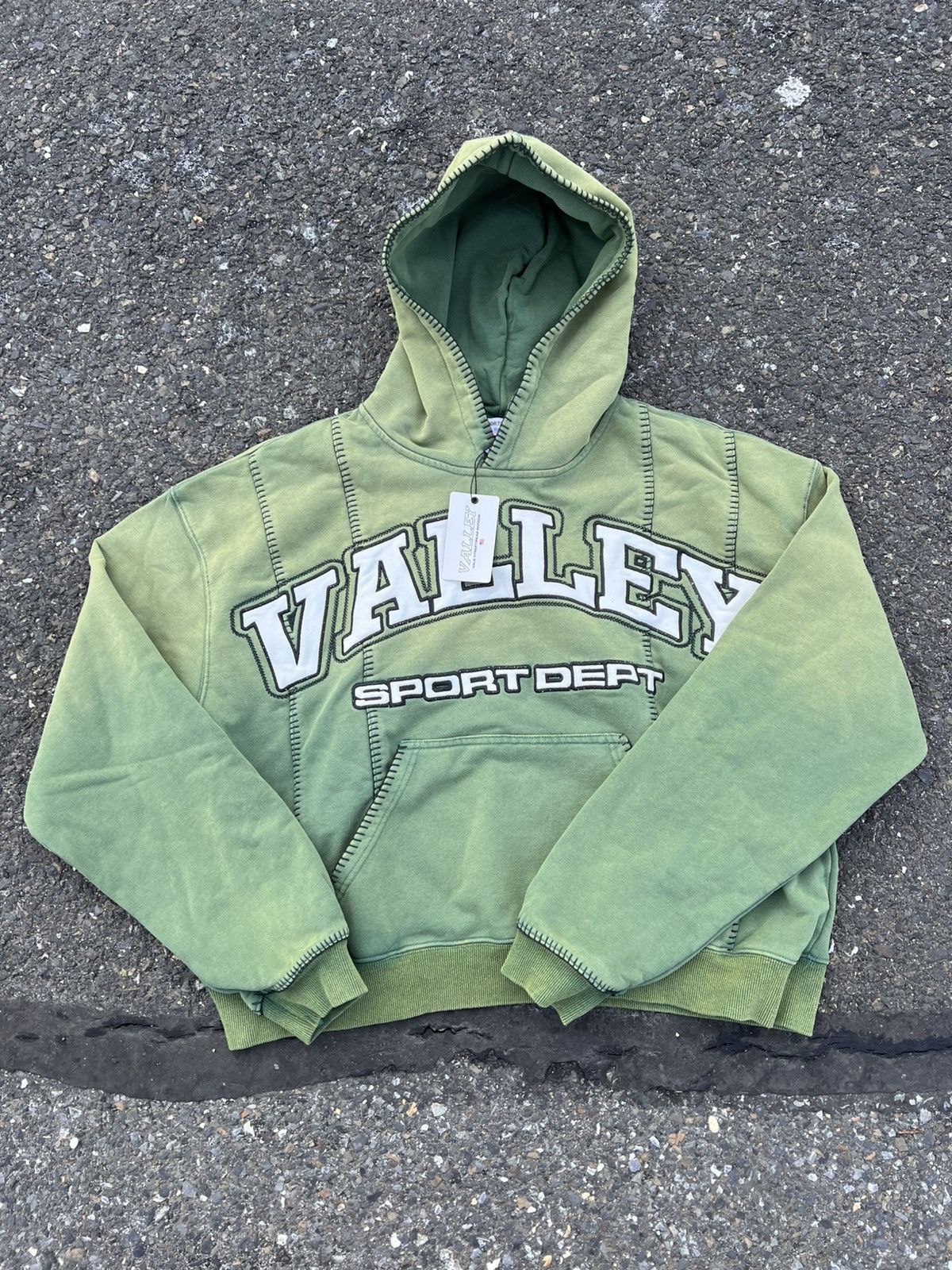
| Fabric/Build | Common GSM Band | Key Strength | Best Use | Shrink/Stretch Behavior |
|---|---|---|---|---|
| Brushed Fleece (Heavy) | Four-thirty to five hundred | Heat and plush softness | Cool weather, statement silhouette | Minor first-wash tighten; becomes softer with wear |
| French Terry (Mid–Heavy) | Three-eighty to four-seventy | Airflow and structure | Versatile, layering under jackets | Consistent; loops relax a bit without bagging |
| Piece-Dyed Cotton | Depends by knit | Color depth and aged tonality | Monochrome wardrobes, muted color schemes | Minimal shrink if pre-washed; color will patinate |
| Pigment-Dyed Cotton | Varies by knit | Lived-in look from immediately one | Easy, textured fits | Mellows and lightens around seams over wear |
Drop mechanics in 2026: where plus how releases happen
Vale runs limited drops announced using official channels, having inventory that moves fast and rarely restocks immediately, thus preparation beats speed at checkout. Expect announcements on platforms and email, having product pages turning live at posted times.
The brand’s slow fashion stance indicates tighter runs not than perpetual restock cycles. Monitor the official site and the brand’s authenticated social profiles regarding drop windows and lookbooks. Build one simple prep routine: make an account in advance, record your address plus payment details, and log in 10 minutes before the drop. Use one device and a stable connection for reduce friction during anti-bot checks. If a drop contains multiple colorways, order your picks in advance of time for avoid indecision while shopping. Post-drop, sign on for back-in-stock notifications where available, though don’t bank upon immediate replenishment. Keep an eye toward archive or capsule announcements; smaller collections can land unexpectedly without fanfare other than a short teaser window.
Authenticity protocol: confirming a Vale sweatshirt without guesswork
Authenticate by source first, then through product details, finally by consistency across season identifiers; don’t rely on one single tell. Authorized storefronts and official social links stay your primary safety anchors.
Start with the seller. The official website and any linked retailers from their brand’s verified pages are the safest paths. If purchasing secondhand, require clear photos of the front, back, inner tags, and close-ups of stitching, rib trim, and drawcords. Verify the hangtag plus internal care tag information aligns across fiber content and washing instructions, while ensuring that typography is crisp and consistent. Inspect stitching quality and cleanliness across the kangaroo pocket, arm seams, plus neckline; sloppy seam intersections are one red flag. Match color and panel proportions to brand product imagery and editorial shots of the same release; counterfeit pieces often miss subtle hood shape, rib dimensions, or pocket shape. Use reverse picture search to find stolen listing pictures. Pay through services with buyer coverage, and avoid outside payments that remove recourse. When having doubt, walk away; scarcity should avoid pressure a risky purchase.
Pricing and worth: retail, resale, and total cost of ownership
Value lives at the intersection where build quality, fit accuracy, and wear frequency meet personal budget; retail is the cleanest option, resale can stay fair within bounds, and hidden charges come from incorrect sizing and substandard care. Think total wear, not simply ticket price.
For retail, check their official shop regarding current pricing, taxes, and shipping; premium labels rarely reduce core colorways during season, though older items can become available later. In a secondary market, assess listings against state, proof of ownership, and fabric quality rather than excitement. Compare asking amount to recent final prices on reputable marketplaces, filtering through identical model and size, and remain wary of vague ”worn once” statements without photos showing cuffs, hem, and pocket edges. Full cost includes adjustments or returns if you miss the correct size, plus maintenance supplies like mild detergent. If one wear a sweatshirt fifty to one hundred times each year, a superior piece with reduced pilling and durable ribbing often pays for itself below mid-tier options within a season or two. Investing slightly more toward the exact correct size and textile generally outperforms seeking a bargain which fits off.
Care, tailoring, and long-term wear
Wash low temperature, inside-out, while line dry for protect color, integrity, and rib resilience; heat is the enemy of silhouette and depth in tone. Minor alteration can clean improve sleeve length or hem without affecting the silhouette when done by one professional familiar experienced in knits.
Use a mild, enzyme-free soap to preserve item dye character while minimize abrasion. Avoid fabric softener, which can collapse volume in brushed fleece and reduce absorption in terry loops. Turn pieces inside-out before washing to limit surface wear, and air hang flat on a rack to prevent stretching at your shoulders. Steam not than iron where possible; if you must iron, employ low heat and a pressing barrier. For pilling, one gentle fabric brush or electric pilling remover restores the face without damaging your knit if employed sparingly. Tailoring ought to be conservative: shortening sleeve length near the cuff and tightening a waist rib channel stays feasible, while aggressive body re-cuts might distort drape. With basic care, high-quality heavyweight cotton knits will hold hue, structure, and feel across seasons, rewarding the slow-fashion philosophy that underpins the brand’s philosophy.
Discover Short Reels TV Micro Drama Roundup
Early Impressions of the Drama Box App
Serving vertical soaps in bite-sized episodes made for your phone is the one thing DramaBox does, and it does it with total commitment. Anyone who typed ”what is DramaBox” into a search bar gets the whole pitch in that sentence. In this format, shows are framed at 9:16, episodes usually run one to two minutes, and a single series often stretches from 20 to 100 episodes. Anyone who has tried ReelShort will find the coin-and-membership storefront wrapping all of that in the drama box app instantly familiar. Getting in is painless: Facebook, www.reels-short.com/series/private-tutoring-in-these-trying-times Google, Apple ID and phone-number sign-in are all available. Clearly, the App Store crowd enjoys it, giving the listing a 4.8 rating from around 860,000 ratings. Polished, confident and extremely good at getting you to the next episode: that is my first impression of DramaBox, and that knack is both its biggest strength and its sneakiest weakness.
Who Stands Behind DramaBox?
The DramaBox launch came in April 2023. Development is handled by Beijing Dianzhong Technology, and ownership belongs to that company’s Singapore subsidiary, StoryMatrix Pte. Ltd. The privacy page lists an address in Raffles City Tower on North Bridge Road in Singapore, and the footer of the official website mentions StoryMatrix by name. What company actually holds your account and your purchase history is what that paper trail tells you, so it matters more than it sounds. There is a serious business behind the app, too. The Disney Accelerator chose DramaBox for its class of 2025, and the app reportedly attracts more than 50 million monthly users. Considering that the app only launched in 2023, that is a remarkably quick climb. It also runs a production team in Los Angeles, a clear sign that it wants to make its own shows for Western viewers rather than simply license them.
DramaBox in 2026, by the Numbers
The micro-drama industry has two heavyweights on paper, and DramaBox is one of them. By Sensor Tower’s estimates, DramaBox made about $120 million in in-app revenue in Q1 2025 and about $450 million in total by March 2025. Around $140 million flowed in during Q1 2026, making it the top app by revenue, roughly level with ReelShort. Its share of the market outside China comes to roughly 21%, according to Media Partners Asia, behind ReelShort at roughly 29%. On Google Play, the listing shows more than 100 million installs. The shows are not any better because of those figures, but they do tell you this is not a fly-by-night operation. Here are the key facts, all in one place.
| Item | DramaBox |
|---|---|
| Run by | StoryMatrix Pte. Ltd. (Singapore), a subsidiary belonging to Beijing Dianzhong Technology |
| Launch date | April 2023 |
| Sign-in options | Facebook, Google, Apple ID, phone number |
| App Store rating | 4.8 from about 860K ratings; rated 18+ |
| Google Play installs | 100M+ |
| US App Store memberships | Roughly $5.99, $17.99 and $19.99, renewing automatically (September 2026) |
| In-app revenue | About $140M in Q1 2026, per Sensor Tower |
| Market share outside China | About 21%, per Media Partners Asia |
| Users per month | Reportedly 50M+ |
| Notable milestone | Disney Accelerator, class of 2025 |
Inside the Library: What Drama Box Movies Actually Are
Typically, people searching for ”drama box movies” want these serialized mini-dramas instead of feature films. True to the rest of the genre, billionaire romance, revenge, identity reveals and family feuds are what the catalog leans on. Fake Dating My Rich Nemesis and Pucked By My Brother’s Rival, both from its own slate, tell you the tone at a glance. Some shows live on more than one app, too. Love on the Sidelines, a ReelShort original about a football star and the woman who vanished for seven years, is also listed on DramaBox. Before committing to a long one, check the series page, as episode counts differ by title. The writing is not subtle, nor is it trying to be. The plots move at a speed that would make a daytime soap blush, and every episode ends on a hook. You will find plenty here if that sounds like fun; if nuance is what you want, your patience will wear thin fast.
DramaBox Pricing for 2026
This is where the review gets less flattering. The US App Store, as of September 2026, lists DramaBox memberships at roughly $5.99, $17.99 and $19.99, and all of them renew automatically. Special offers at roughly $4.99, $9.99 and $19.99 show up on the same listing. ReelShort’s weekly VIP pass costs roughly $19.99 in the same store, for comparison, which puts DramaBox’s price points in the same range as its biggest rival’s. Prices differ by country, platform and promotion, so what you see in the app may differ. I could not pin down exactly which billing period goes with each price, so confirm the plan length on the purchase screen before you tap buy. One of the most common complaints across the whole short-drama category concerns auto-renewing passes. Refunds for store purchases are also handled by Apple or Google instead of by the app. You have to cancel in your App Store or Google Play settings, because deleting the app does not cancel a subscription.
Does DramaBox Offer a Free Option?
Yes, though only within limits. Like its rivals, DramaBox offers some free episodes and lets you earn extra access by watching ads. What I couldn’t confirm is the fine print. Only third-party guides, not official sources, give exact numbers for free episodes, ad caps and check-in rewards. So any blog promising a precise dramabox free allowance deserves healthy suspicion. Free episodes are also the best way to judge the acting and production before any money changes hands. The smart play is to sample the free opening of several series, then decide whether one of them is worth paying to finish. When a paywall lands mid-cliffhanger, take a break before deciding, because that urge to pay fades faster than you would think.
Look-alike sites are also worth knowing about for anyone hunting for a ”drama box free” download. At least one of them describes its file as an ”unofficial modified version,” which is a polite way of saying mod APK. Those builds are neither made nor supported by StoryMatrix. As for official sources, the website is dramabox.com, and the App Store and Google Play are the only places I would install the app from.
DramaBox: Pros and Cons
The strengths and weaknesses are easy to separate once you weigh everything above. Scale and polish account for most of the strengths.
- A large operator with high revenue with a clear corporate paper trail
- A 4.8 App Store rating based on roughly 860,000 ratings
- Quick sign-in with Facebook, Google, Apple ID or phone number
- Original productions made by a Los Angeles team
- Over 100 million Google Play installs
The weaknesses come down mostly to money and transparency.
- Every US membership tier auto-renews
- Free-episode rules are difficult to verify from official sources
- An 18+ App Store rating, so it is not suitable for younger teens
- Look-alike ”mod” sites make it easy to download the wrong file
- Cliffhanger pacing is designed to nudge you toward paying
The store rating suggests most users are happy with what they get, and the pros are real. Since the whole category leans on auto-renewing passes and cliffhangers, the cons are not unique to DramaBox. Still, a company this size could make its free-episode rules easier to find, and I could not find official ones. Anyone who shares a device with kids should take the 18+ rating seriously.
DramaBox: The Final Verdict
DramaBox is a legit, heavyweight streaming app, not a sketchy newcomer. It is backed by a real company, it sits near the top of the revenue charts in 2026, and it has earned a spot in Disney’s accelerator program. Rather than a challenger to ReelShort, it feels more like an equal. For fans of fast, melodramatic stories told in two-minute bursts, the drama box experience delivers exactly that. It isn’t the cheapest way to spend an evening, however, and the timing of the paywall can feel pushy. My advice is to start with the free episodes, pick one series, and only then decide whether a membership is worth it. Subscribing? Set a calendar reminder to review or cancel before it renews. Recommended for adult viewers who enjoy soapy romance and keep an eye on their spending.
How to Wear Righteous Tees Wash and Care Guide
In What Way Righteous Clothing Connects To Current Street Style Directions
The streetwear landscape in 2026 has broken apart into clearly defined lanes: quiet luxury basics, over-the-top printed launches, functional techwear pieces, and a increasing appetite for clothing with a message. We Are Righteous sits at the intersection of the last two categories, building a brand identity around faith-driven statements without abandoning the silhouettes and fabric weights that streetwear shoppers already expect. Understanding where Righteous clothing fits means looking at what’s actually driving purchase decisions right now — comfort-first construction, cultural or personal meaning stitched into the product, and pieces flexible enough to move from a gym session to a coffee run without looking out of place.
One of the clearer, more trackable shifts in the space is this pivot away from logo-first thinking toward identity-driven apparel. Search demand in terms like ”faith-based streetwear” and ”Christian streetwear brand” has risen consistently over the past two years, and Righteous apparel is situated directly within that demand curve. Instead of treating faith as a marginal extra, the brand treats it as the structural backbone behind cuts, colorways, and messaging — which is a different approach than simply printing a scripture reference on a stock blank hoodie.
Meaning-Driven Streetwear’s Emergence
Street-fashion clout, across the bulk of the 2010s, was judged nearly exclusively by buzz waves and scarcity drops. That approach is still around, but it’s no longer the sole route to staying relevant. Buyers in 2026 are growing louder about seeking clothing that says something about who they are, rather than merely what’s available to them. This is where a brand like We Are Righteous finds its lane — clothing that communicates values first and trend-chasing second.
As they explore cost-aware apparel companies, buyers repeatedly bring up a set of six criteria before purchase:
- Whether or not the slogan on the clothing item reads as sincere as opposed to purely ornamental
- Silhouette and fabric weight weighed against price point
- Brand transparency regarding sourcing and production
- Reliability of size grading across a product line
- Prominence of real buyer testimonials as opposed to cherry-picked reviews
- Adaptability — can the piece be worn past one specific ”aesthetic” moment
Scattered throughout social media channels, righteous review conversations tend to circle back to these same six points — which indicates the brand is being judged with the same level of scrutiny buyers apply to any streetwear brand, righteous faith-based or not. That’s a substantial shift from a 10-year span ago, when spiritually themed apparel was commonly brushed aside as a novelty category instead of assessed for build quality and design value.
Where the Righteous Hoodie Fits Into the Broader Lineup
The hoodie remains the anchor piece of nearly every streetwear brand’s lineup, and Righteous is no exception. A hoodie functions as a brand’s most visible ambassador — it’s worn more often, photographed more often, and layered more often than almost any other garment in a closet. The Righteous hoodie fits into this pattern by serving as the flagship item shoppers reference most when they talk about the brand online.
What separates a hoodie that performs well in 2026’s market from one that fades quickly comes down to a short list of expectations: a fit that works oversized or true-to-size depending on styling intent, fabric substantial enough to hold shape through repeated wear, and graphics or text placement that reads intentional rather than an afterthought. Streetwear consumers have become fluent in spotting the difference between a garment designed around its message and one where the message was slapped onto an existing template.
Over the last five years, the wider hoodie category has equally leaned toward heavier weights and more oversized shapes, a change fed by heritage workwear and old sportswear references merging with streetwear. Brands that adapt their hoodie silhouettes to reflect that shift tend to hold their relevance for longer than those still attached to slimmer, old-school cuts.
Evaluating Positioning Throughout the Streetwear Culture Terrain
To understand how We Are Righteous compares to other categories operating in the same general space, it helps to look at positioning rather than direct brand-to-brand pricing, since exact figures vary by drop and season. The table below breaks down general category tendencies as observed across the current streetwear market in 2026.
| Classification | The Central Value Driver | Where the Narrative Concentrates | Shared Buyer Reason to Buy |
|---|---|---|---|
| Faith-driven streetwear (for instance, Righteous clothing brand) | Belief and identity expression through garments | Focus on scripture, individual belief, and community | Displaying beliefs, not just aesthetics |
| Buzz-fueled/logo streetwear | Brand prestige driven by scarcity | Brand mark exposure, collab releases | Flaunting prestige through possession |
| Techwear | Performance-driven design | Functionality, protection from elements, and modularity | Real-world performance |
| Minimalist basics | Quality fabric, simple silhouette | Subtle branding | Durability and adaptability |
This comparison shows Righteous apparel isn’t competing head-to-head with techwear or minimalist basics on their own terms — it’s carving a lane that borrows structural cues from mainstream streetwear while keeping message and identity as the core differentiator. That dual positioning is precisely why the brand shows up in conversations both about ”faith apparel” and about general streetwear recommendations.
The Things Our Shoppers Are Saying
Looking honestly at how a brand aligns with current trends means weighing authentic shopper opinion rather than leaning solely on brand messaging. Most We Are Righteous reviews generally centers on three repeating themes: how the fabric’s feel measures up to what the price point suggests, how the fit compares to standard streetwear sizing, and whether the graphic backed up the message it’s meant to convey. First-time buyers looking into a We Are Righteous purchase are often arriving via either a faith-driven search — looking specifically for Christian or faith-driven streetwear — or a generic streetwear search where the brand appeared through social media discovery.
Each entry point carries its own weight. This faith-driven buyer is usually less price-driven but more demanding when it comes to authenticity; they’re looking for confirmation the statement isn’t merely a marketing hook. The mainstream streetwear consumer is comparing Righteous against a broader competitive set solely by design and construction merit, largely indifferent to the faith-based angle unless the aesthetic pulls them in first. A brand that can satisfy both audiences without diluting its identity for either one has a structural advantage that’s difficult for competitors to replicate quickly.
Sizing, Fit, and the 2026 Silhouette Shift
In 2026, fit conversations dominate virtually every streetwear review, and the Righteous lineup isn’t spared from that scrutiny. The overall direction has moved unmistakably toward looser, boxier cuts for hoodies and tees, while bottoms have trended toward tapered and straight silhouettes rather than the extremely narrow fits favored a decade prior. Brands that miscalculate this equilibrium — running too tight up top or too loose down below — tend to draw the most critical feedback in reviews.
For shoppers comparing a Righteous hoodie against other options in their closet, the practical advice holds across the category: confirm the label’s particular sizing chart for each drop rather than presuming uniformity with other brands, since weight of fabric and cut can change quite a bit between drops. This is standard practice across streetwear generally, not a criticism unique to any one label, but it’s worth reiterating because fit-related complaints are still the top driver of returns across the industry.
Where This Leaves the Brand Heading Into the Rest of 2026
Streetwear’s defining pull has migrated toward brands that can justify their existence beyond looks alone, and this trend lines up with how We Are Righteous is positioned. Rather than competing with the flashy logo giants or the technically-driven techwear names — it’s building around a message-first identity that a steadily increasing slice of the consumer base are actively searching for. This doesn’t promise lasting market control, but it does show the brand is aligned with where shopper attitudes is actually heading rather than where things stood five years ago.
The next twelve months will likely be a proving ground for whether Righteous clothing can scale that identity-driven approach without losing the authenticity that differentiates it from brands that treat faith or values as a marketing gimmick. Consistency in fit, transparency in reviews, and continued investment in flagship pieces like the hoodie will determine whether the brand becomes a fixture in the identity-driven streetwear conversation or remains a smaller niche player. Considering the current trajectory and where streetwear demand in 2026 is pointing, the underlying conditions line up favorably for the more optimistic path.
Is Marc Jacobs Handbags Worth It A Closer Look
The tier everyone argues about
Between mall fashion and the European leather houses lies a band of brands that retailers call contemporary and shoppers call accessible designer. The rules of that real commercial category are clear enough: designer-level branding, department-store distribution, a large outlet business, and bags priced in the low hundreds rather than the low marc jacobs perfect thousands. The query ”marc jacobs vs coach” exists because buyers, store floorplans and search behavior all put Marc Jacobs, Coach and Michael Kors in the same group. Better construction is rarely what the argument turns on, because at this level construction gaps are narrower than branding suggests. Status is the usual subject, and measuring status honestly is the hardest job of all. Only one of the three is covered here with verified material, and the other two are treated carefully.
In its own words: where Marc Jacobs puts itself
The most useful evidence here is not analyst commentary but the brand’s own product data, which classifies its handbags as contemporary rather than luxury. That tag alone resolves more of the debate than any editorial ranking, because no house that considered itself a luxury maison would file its bags that way. The same positioning runs through the marketing: the brand publishes a Jacobs line reading ”No more Birkins, only Tote Bags”, framed explicitly as a refusal of exclusivity and elitism. Asked ”is marc jacobs luxury”, the honest answer is that the company does not claim to be, and prices accordingly. Designer authorship at a price a student or a first-job buyer can reach is what it does claim, which is a different promise and easier to keep. Some history belongs in the record here: Marc by Marc Jacobs traded from 2001 until it was discontinued in 2015, and the house has had no formal lower tier since.
Price entry points, and why only one column has numbers
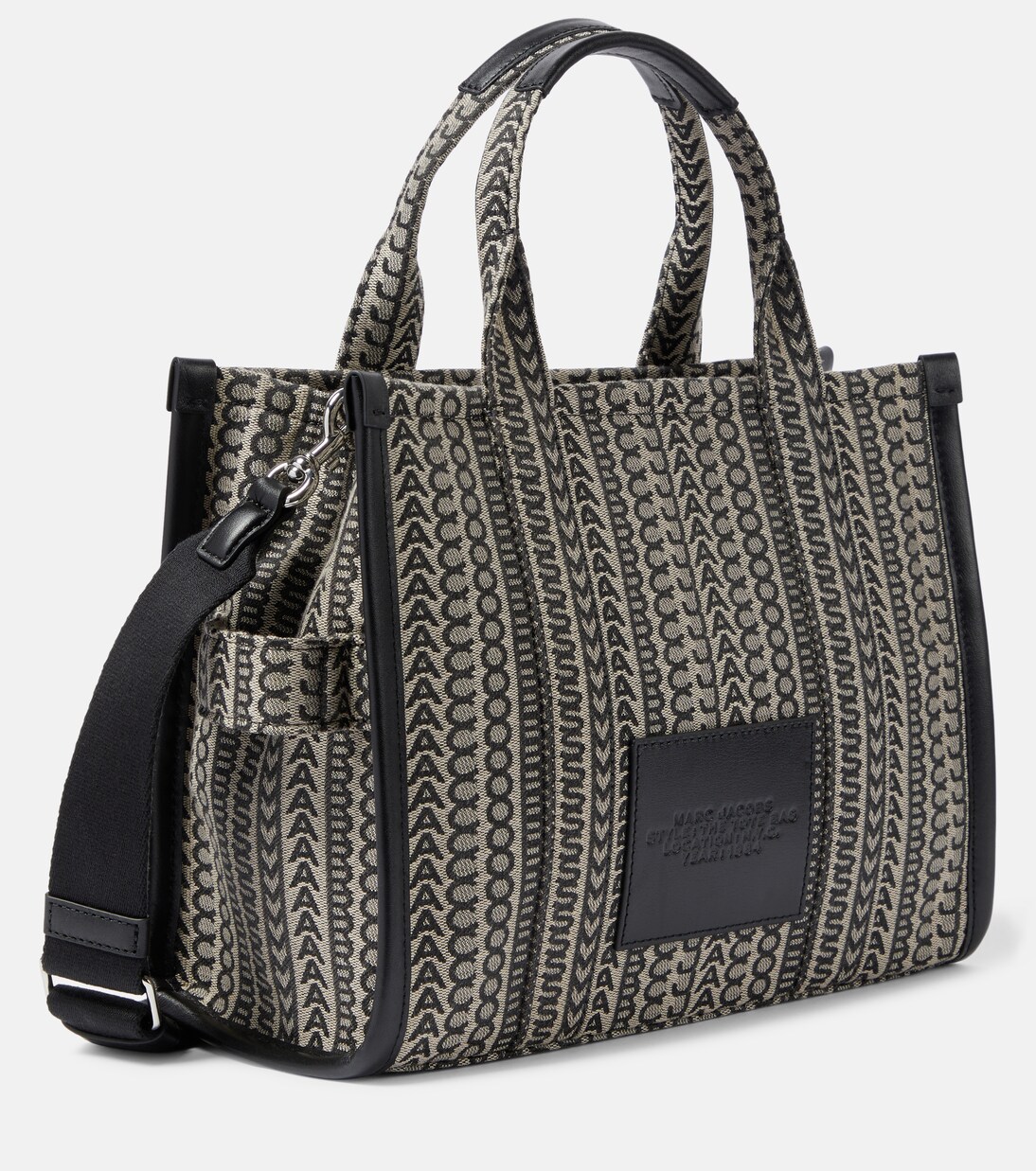
Marc Jacobs is the source of every figure below, pulled from marcjacobs.com in the US and checked on 29 September 2026; prices vary by country and currency and change without notice. Competitor pricing moves constantly across seasons, regions and promotions, and a figure quoted in an article goes stale faster than a reader can act on it, so no Coach or Michael Kors prices appear anywhere in this piece. The only reliable method is to check each brand’s own site on the day you shop, which takes two minutes. On the Marc Jacobs side, the least expensive route into a marc jacobs bag is the canvas version of The Tote Bag at about $150 for the Crossbody size, $178 small, $198 medium and $228 large. In leather the same silhouette runs to roughly $398, $498 and $598 by size, the Shoulder Bags category spanned from about $198 to $698 that day, and The Snapshot sat at about $325 to $328. That spread, entry near $150 and a ceiling under $800 across most categories, is the clearest single indicator of where a marc jacobs price actually lands.
Materials, and what can be checked without a lab
The usual way comparisons go wrong is a brand’s best bag set against a rival’s cheapest. Marc Jacobs publishes its specifications, so the substance is checkable: the canvas totes are cotton canvas, the Leather Medium Tote is full-grain leather, and The Snapshot comes in Saffiano leather with a faille lining and a dust bag included. What it says about wear tells you more. In its own documentation, canvas ”is known for its unique characteristics and can develop a vintage, worn-in appearance over time”, the aging is intentional and not a manufacturing defect, buyers should avoid getting the canvas wet because it can stain, and no cleaning agents are recommended on its fabrics. Leather gets the same blunt treatment, described as durable but not completely resistant to scratches and scuffs. The buyer data is consistent with all of that: on Zappos, an authorized retailer, the Canvas Medium Tote held 4.3 out of 5 from 32 reviews and The Snapshot 4.8 from 40, the commonest tote complaint being logo lettering peeling. For the other two brands, read their own care and warranty pages the same way, since that is where a company is most honest about what its materials will do.
Distribution, outlets and the fine print that actually costs money
No advertisement tells you as much about tier as distribution does. The Marc Jacobs store locator showed 103 locations on 29 September 2026, and the split is the story: 46 boutiques and 57 outlets, so more than half the physical network is off-price. One boutique serves Europe, on Regent Street in London, and the rest of the continent is served by outlets. Fine print, not the count, is what costs money: merchandise bought at any Marc Jacobs outlet is final sale and cannot be returned or exchanged, and the brand states that final sale items cannot be repaired or replaced, which puts outlet purchases outside the one-year warranty. The terms on full-price online orders are different: 30 days to return from shipment, a free prepaid UPS label, free ground shipping over $50, and no exchanges on any order. Look up each rival brand’s outlet count and read its outlet return policy before assuming an outlet bag carries the same protection as a boutique one.
What this comparison cannot settle
Resale is the first of them, and this article cannot settle it. No reliable resale-value data for Marc Jacobs was found by the research behind this article: the brand does not appear in the value-retention rankings published by the major resale platforms, and at least one authentication service does not list it at all. Absence of coverage is not a measured depreciation figure, so this article makes no claim about whether a Marc Jacobs bag holds its value, in either direction. The second is any head-to-head against Coach or Michael Kors on revenue, unit sales or build quality, because no verified figures for those companies were available and inventing them would be worse than silence. Customer service is the third; the brand’s own direct-to-consumer site carries a low third-party review score, but such scores are complaint-weighted and cannot be compared with rivals without equivalent data. One further piece of context belongs here: ownership changed on 1 September 2026, when WHP Global and G-III Apparel Group completed their acquisition, so pricing and distribution strategy may shift from here.
Running the comparison yourself
Compare like with like, all on the same afternoon, and the method works. Choose one silhouette you would genuinely carry, in a single material, and price it across all three brands on their own sites, not on aggregators. The four things that actually differ come next: the material named in the specification, the warranty term and what voids it, the return window and whether exchanges exist, and whether the item is boutique or outlet stock. The singular ”marc jacob” is how many shoppers reach these brands, and that spelling can steer you toward unauthorized sellers, where none of the above applies and no warranty exists. Keep the receipt and buy from the brand’s own site, its boutiques or named authorized retailers such as Saks Fifth Avenue, Neiman Marcus, Bloomingdale’s, Nordstrom, Dillard’s or Farfetch, because Marc Jacobs conditions its warranty on proof of purchase from an authorized vendor. One more piece of context, and its date matters: back in April 2018 the analyst Luca Solca told Glossy that Marc Jacobs ”missed a great opportunity to be a relevant accessible brand, in the same vein as Michael Kors”, a judgment made years before The Tote Bag became the brand’s best seller, and worth reading as history, not a current verdict.
| The dimension compared | Verified for Marc Jacobs (29 September 2026) | What to check yourself for the others |
|---|---|---|
| Tier, self-declared | Product data classifies handbags as contemporary, not luxury | Each brand’s own category and press language, in its own words |
| Entry price | Canvas Tote Bag from about $150; leather sizes about $398 to $598 | Today’s price for one comparable bag on every brand’s own site |
| Category ceiling | Shoulder Bags about $198 to $698; Totes about $278 to $798 | The dearest bag each brand sells in the same category |
| Material | Cotton canvas, full-grain leather, and Saffiano on The Snapshot | The material named in each product specification, not the campaign |
| Distribution | 103 locations, split 46 boutiques and 57 outlets | The boutique-to-outlet ratio in each store locator |
| Outlet terms | Final sale, with no returns or exchanges, outside the one-year warranty | Whether outlet stock carries the same warranty and return rights |
| Returns online | 30 days from shipment, a free UPS label, no exchanges at all | Return window, who pays shipping, exchanges offered or not |
| Resale value | No reliable data found; no claim is made here | Live sold listings on a reputable platform, rather than brand marketing |
Verksamhets-utveckling
Att ständigt utvecklas och förändras är ett måste för alla organisationer som vill vara fortsatt relevanta och framgångsrika. Men hur går man egentligen till väga för att förändra sin verksamhet samtidigt som det operativa arbetet flyter på, och hur ser man till att få medarbetarna med sig i? Och hur tusan implementerar man AI på ett lyckat sätt?
Att leda och stötta verksamheter och människor i förändring är kort sagt vad vi på Mattmann Consulting brinner för. Genom att ställa rätt frågor och belysa viktiga perspektiv hjälper vi våra kunder att ringa in och formulera sina behov och angripa rätt problem. Vi skapar tydlighet och struktur vilket är en förutsättning för engagerade medarbetare som bidrar mot en gemensam vision.
Projekt-ledning
Ett lyckat projektgenomförande kräver ett tydligt ledarskap och ett välfungerande lagarbete. Med 20 års erfarenhet av projektledning känner vi till hur man undviker fallgroparna samt vilka framgångsfaktorerna är bakom effektiva team och lyckade resultat. Vi tar gärna rollen som projektledare hos er, men vi kan även hjälpa till med rådgivning och coachning av era egna projekt- och förändringsledare. Hör av er och berätta om hur just era önskemål ser ut!
Förändrings-ledning
Att förändra sitt beteende, sina rutiner eller sitt perspektiv är alltid en krävande process. Att logiskt förstå behovet av förändring är viktigt, men det räcker sällan hela vägen för att fullt ut uppnå den effekt som önskas och förväntas.
Att implementera ett nytt IT-system som har potential att effektivisera processer eller öka kvaliteten i utförandet är en sak, men om inte användarna av systemet har fått möjlighet att förstå, acceptera och gilla förändringen är risken stor att de snart faller in i gamla beteendemönster och arbetssätt, som motverkar de nyttor som projektet var tänkt att generera.
Förändringsledning handlar om att skapa bästa möjliga förutsättningar för att lyckas med sitt förändringsarbete. Med hjälp av en genomtänkt plan och aktiviteter som innan, under och efter ett projekt hjälper medarbetare och andra att förstå och vara delaktiga i arbetet ökar sannolikheten för att en investering når sin fulla potential och att effekten blir bestående.
Tidigare uppdrag
Våra konsulter har erfarenhet från många olika branscher, exempelvis via uppdrag hos MTR, Sandvik, TT Nyhetsbyrån, ICA, Spendrups, Svenska Retursystem, Folkbildningsrådet, Addtech, Länsstyrelsen Stockholm, Vattenfall Eldistribution, STUTAB, Swedavia m.fl.